Choisir un Pot Plante Intérieur : Guide Complet 2026 (Tailles, Matières, Styles)
Choisir un pot plante intérieur : tailles, matières, styles
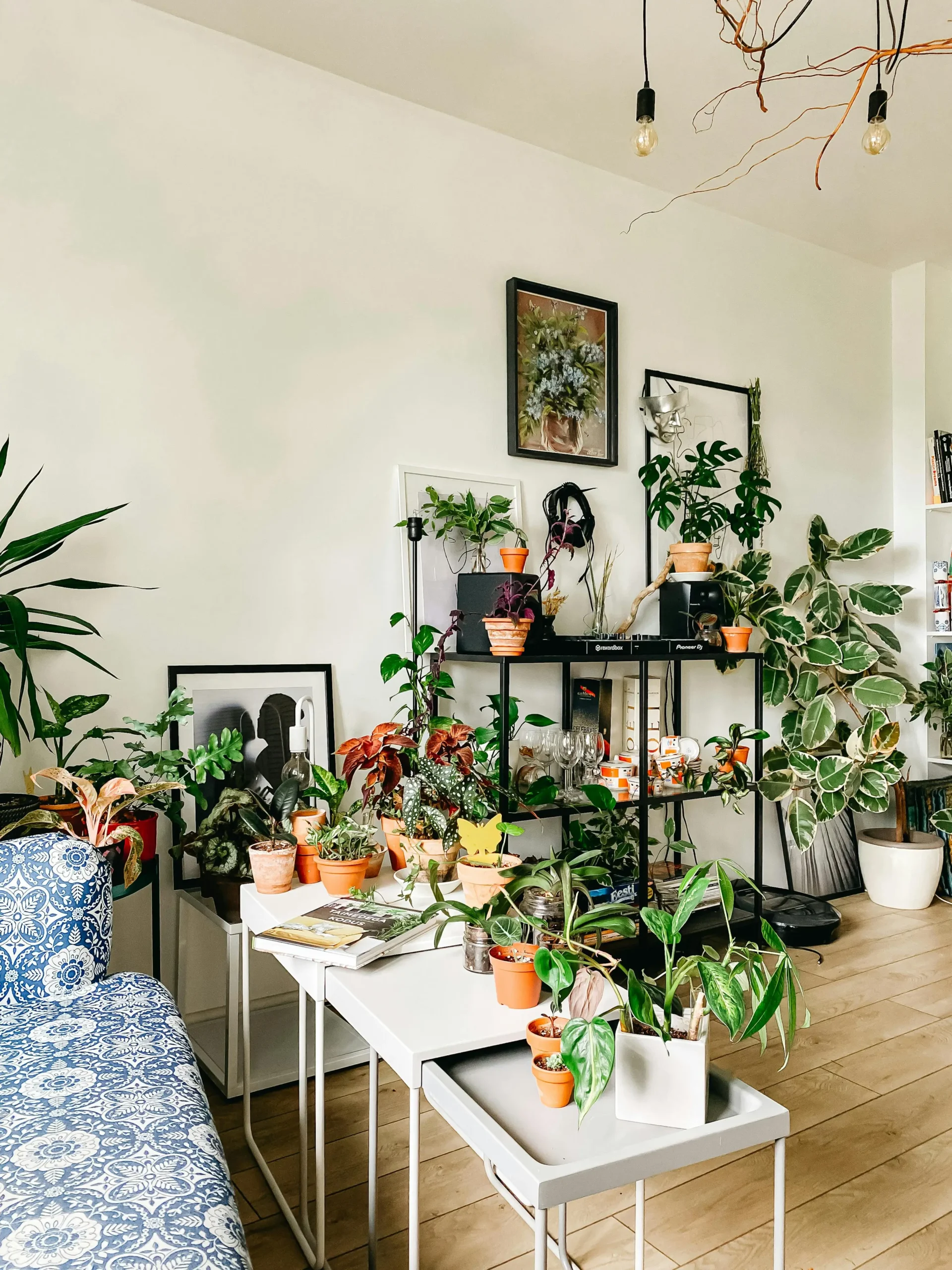
Pendant longtemps, j'ai cru que choisir un pot pour plante d'intérieur était la dernière chose à penser. Puis j'ai changé les pots de mon salon. Mêmes plantes, tout a changé. Un pothos dans un cache‑pot design intérieur, c'est bohème et cosy. Le même pothos dans un pot en plastique transparent du supermarché, c'est invisible. Ce guide vous donne tout ce qu'il faut pour choisir le bon pot — la bonne matière, la bonne taille, le bon style — et les accessoires déco végétale qui transforment vraiment un intérieur.
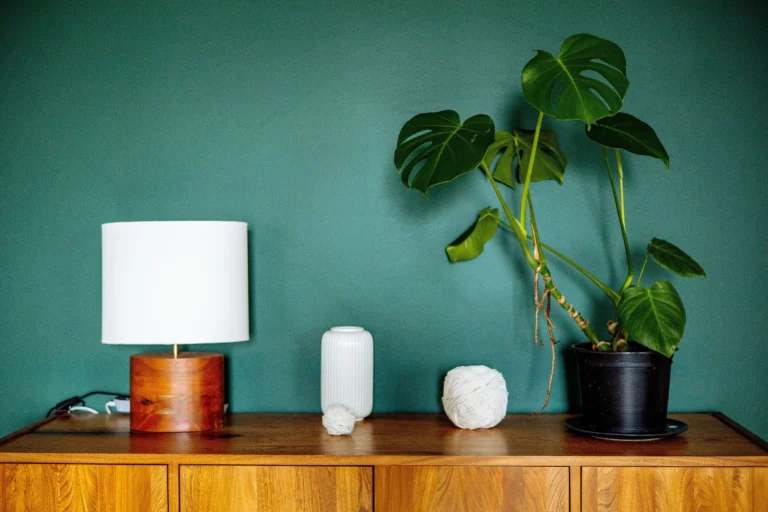
Cache-pot décoratif moderne pour sublimer une plante d'intérieur
Les 6 critères pour ne pas se tromper
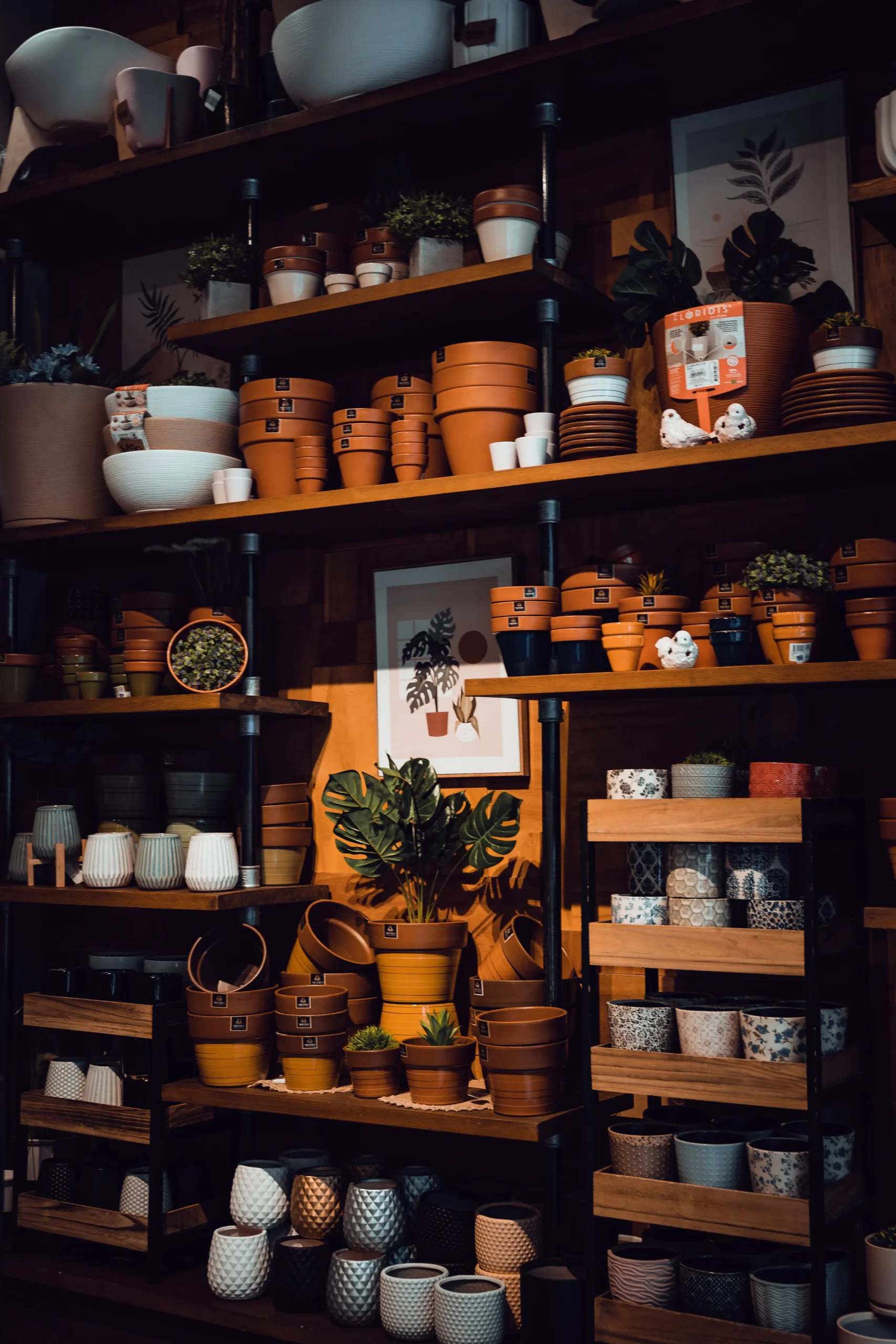
Comparaison des principales matières de pots pour plantes d'intérieur
Les 6 matières de pots
La céramique émaillée et le grès sont les matières les plus nobles pour un cache-pot design intérieur. Elles régulent naturellement l'humidité et apportent une vraie présence décorative. Un pot en grès texturé transforme instantanément un simple monstera en pièce maîtresse du salon.
Inconvénients : poids élevé (un grand modèle peut dépasser 15 kg) et fragilité aux chocs. Privilégiez les finitions mates pour un rendu contemporain, ou brillantes pour un style plus classique.
Pot en grès texturé — la référence pour un intérieur élégant
| Critère | Évaluation |
|---|---|
| Esthétique | 10/10 — Premium |
| Régulation humidité | 9/10 — Excellente |
| Poids | 5/10 — Très lourd |
| Résistance | 6/10 — Fragile |
| Prix | 7/10 — Variable |
✅ Points forts
Esthétique incomparable, régulation naturelle de l'humidité, large choix de formes et couleurs.⚠️ Points faibles
Poids élevé, fragile, prix parfois élevé pour les pièces artisanales.Notre verdict
La matière reine pour les pièces de vie. Investissez dans 2-3 beaux pots en grès pour vos plantes stars.
Voir sur Maisons du Monde * Westwing *Le jute et l'osier apportent une touche naturelle et bohème immédiate. Idéals en suspension ou pour habiller un pot de culture disgracieux. Leur légèreté permet de les accrocher partout, même sur des tringles fines.
En revanche, ils redoutent l'eau : évitez absolument les pièces humides comme la salle de bain. Un simple brossage à sec suffit pour l'entretien.
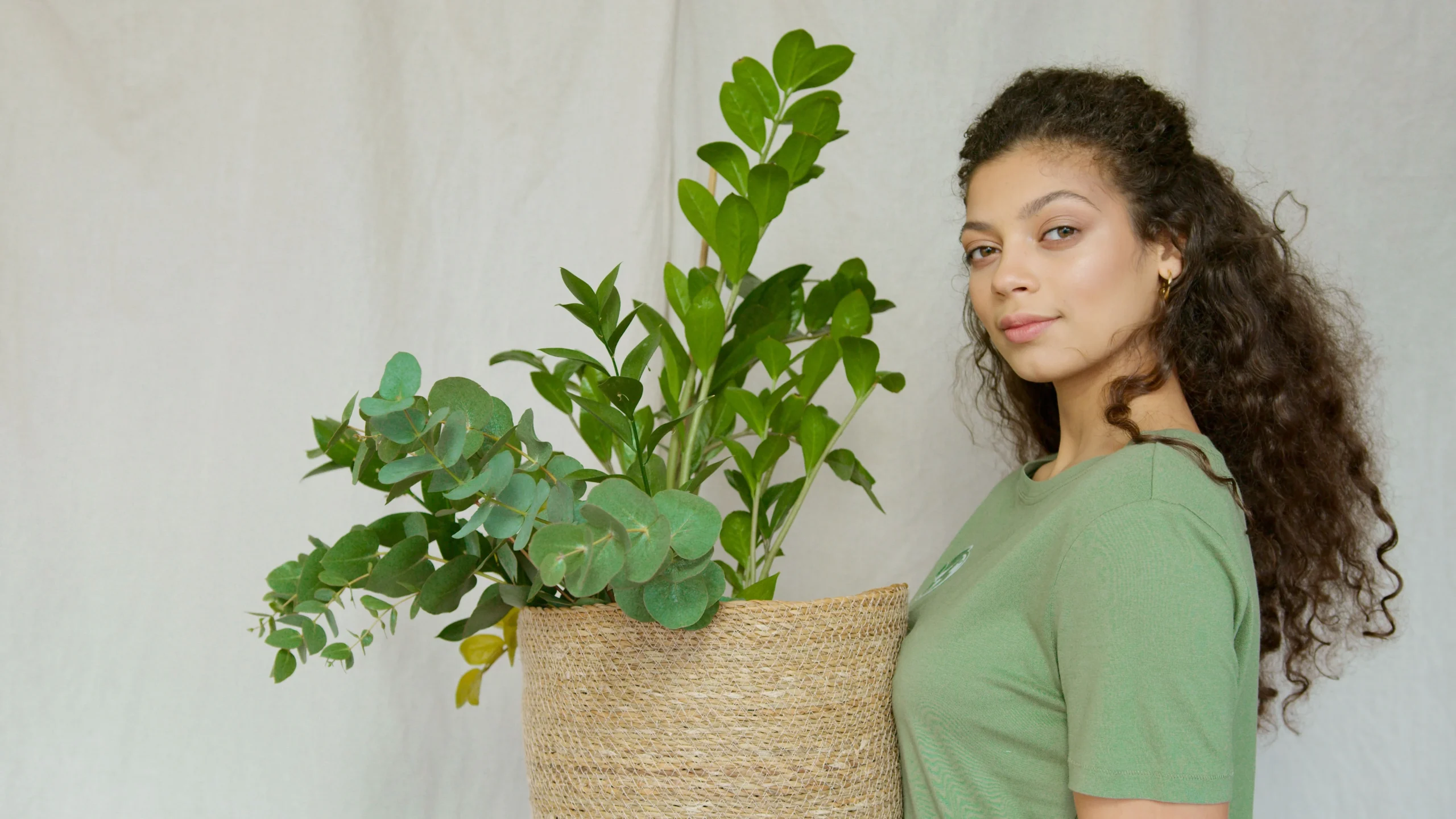
Cache-pot en jute tressé — le charme bohème à petit prix
| Critère | Évaluation |
|---|---|
| Style | 9/10 — Bohème naturel |
| Poids | 10/10 — Ultra léger |
| Résistance eau | 2/10 — Craint l'humidité |
| Prix | 9/10 — Très abordable |
✅ Points forts
Style naturel immédiat, très léger, parfait en suspension, prix mini.⚠️ Points faibles
Ne supporte pas l'eau, peut moisir en milieu humide.Notre verdict
Le choix bohème par excellence. À réserver aux pièces sèches et aux suspensions.
Voir sur Maisons du Monde * Etsy *Le béton apporte une touche industrielle forte. Il est quasiment indestructible et vieillit bien. Parfait pour les grands ficus ou monstera dans un loft ou un intérieur contemporain.
Attention au poids : un pot en béton de 30 cm de diamètre peut peser plus de 15 kg une fois rempli. Vérifiez toujours la capacité de votre sol ou étagère.
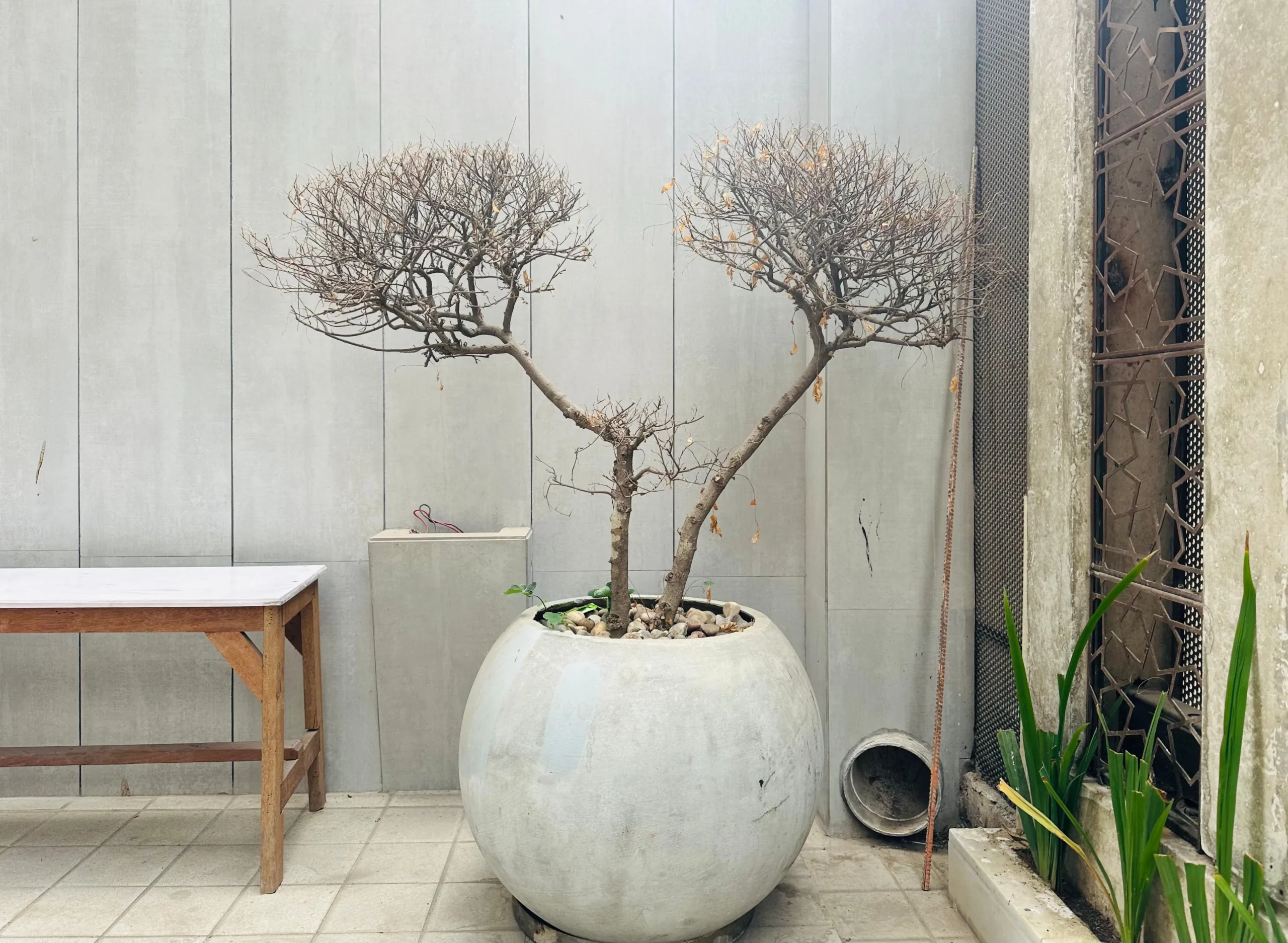
Pot en béton brut — l'allié des intérieurs industriels
| Critère | Évaluation |
|---|---|
| Style | 8/10 — Industriel |
| Poids | 3/10 — Extrêmement lourd |
| Durabilité | 10/10 — Indestructible |
| Prix | 7/10 — Correct |
✅ Points forts
Look industriel unique, très durable, intemporel.⚠️ Points faibles
Poids extrême, peut se tacher, prix variable.Notre verdict
Idéal pour un style industriel affirmé. Vérifiez le poids avant achat.
Voir sur Westwing * Amazon *La terre cuite est le choix économique et sain pour les racines. Elle laisse respirer le substrat et évacue l'excès d'humidité. Parfaite pour les cactus et succulentes.
Inconvénient : elle se fissure au gel et développe des dépôts calcaires blancs avec le temps. À réserver aux intérieurs hors gel.
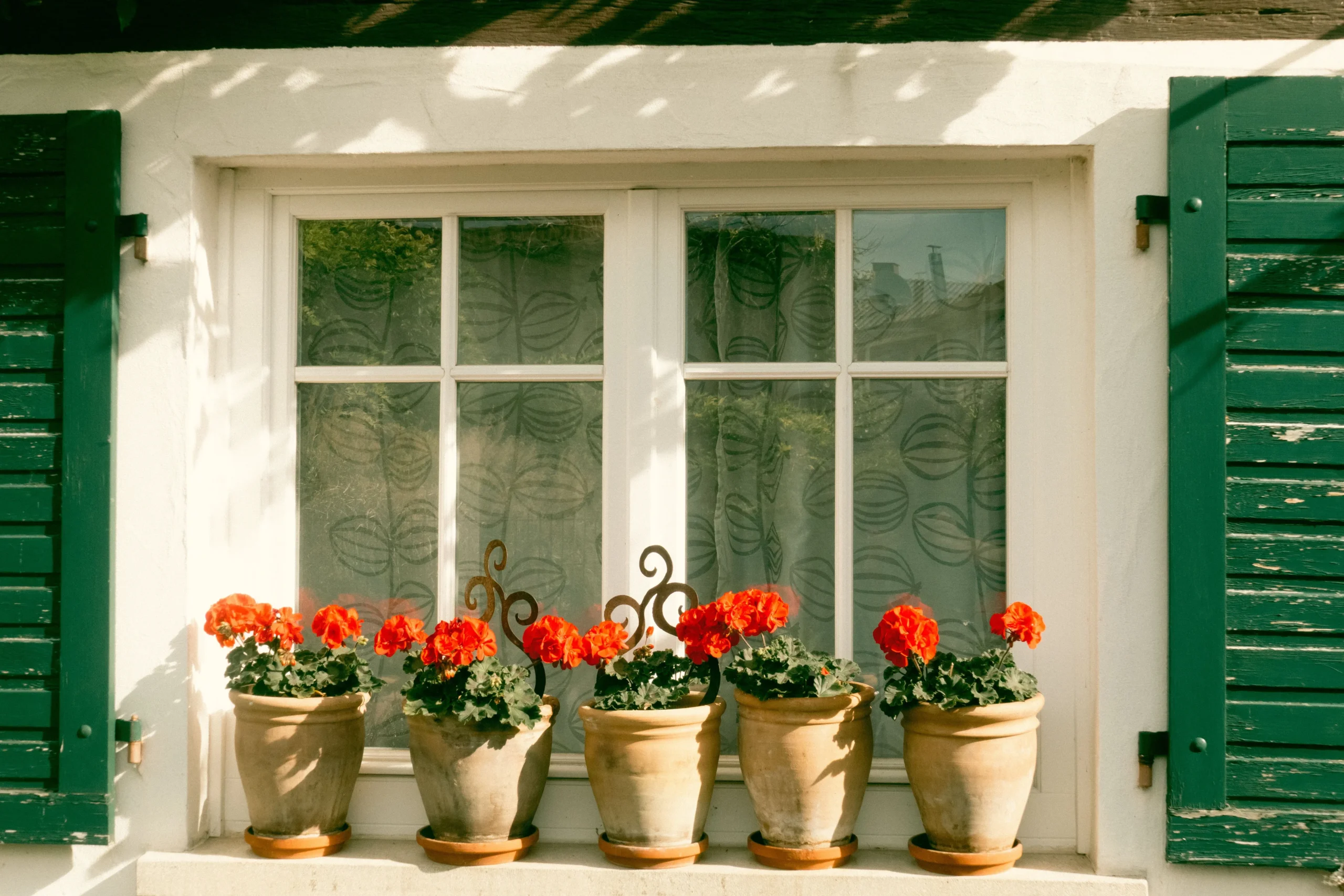
Pot en terre cuite — le classique indémodable des jardineries
| Critère | Évaluation |
|---|---|
| Santé racinaire | 9/10 — Excellente |
| Prix | 10/10 — Imbattable |
| Esthétique | 6/10 — Basique |
| Résistance gel | 2/10 — Fragile |
✅ Points forts
Respirant, économique, excellent pour cactus et succulentes.⚠️ Points faibles
Se fissure au gel, dépôts calcaires, esthétique simple.Notre verdict
Le meilleur rapport qualité/prix pour la santé des plantes. Indispensable pour les succulentes.
Voir sur Bakker *Le plastique recyclé est économique et léger. Il convient parfaitement comme pot de culture caché dans un cache-pot décoratif. Évitez de le laisser apparent : son aspect reste basique.
Il a tendance à retenir l'humidité, ce qui peut être un avantage pour les plantes tropicales, mais un risque pour les succulentes.
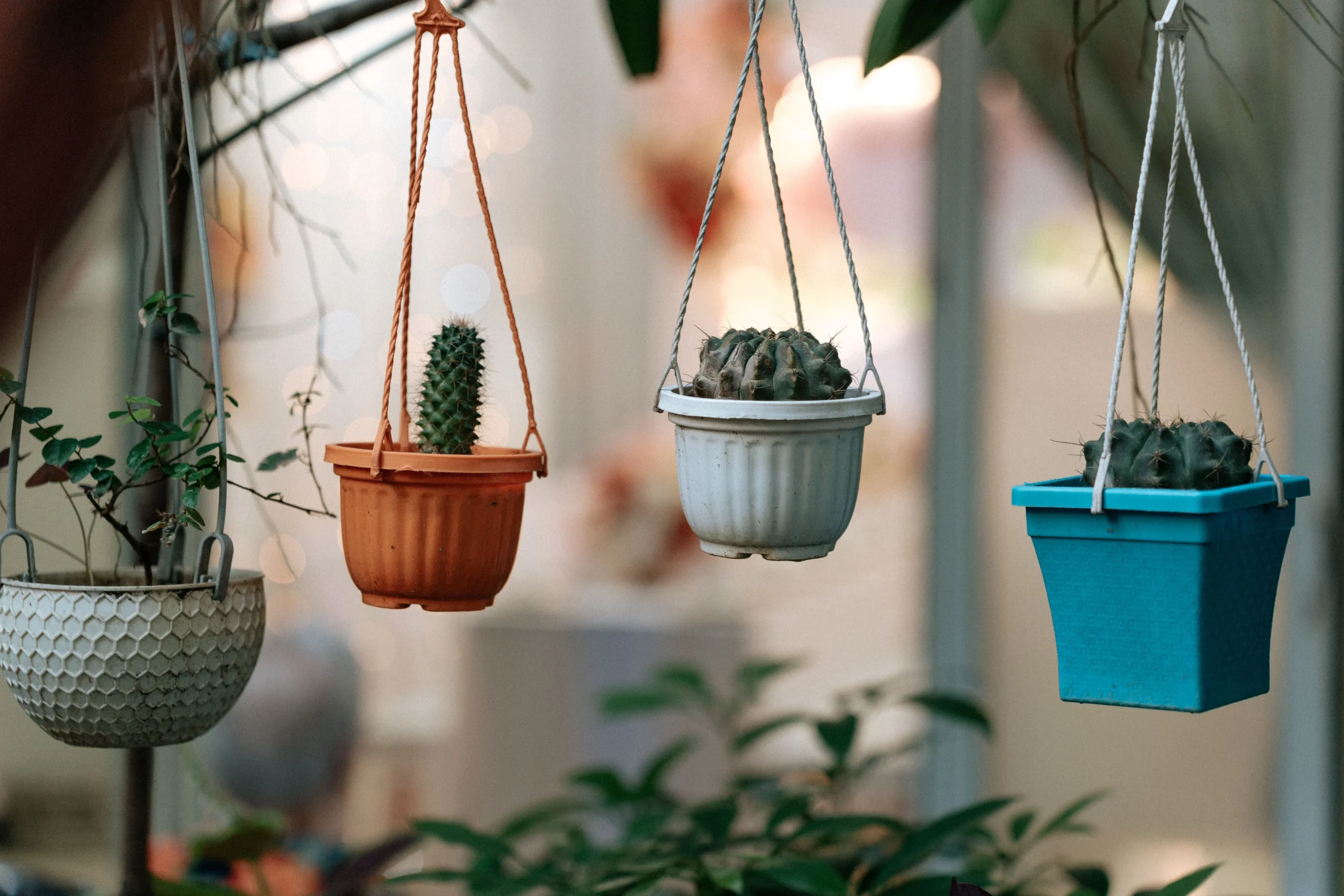
Pot en plastique recyclé — idéal comme pot de culture intérieur
| Critère | Évaluation |
|---|---|
| Prix | 10/10 — Très économique |
| Poids | 10/10 — Ultra léger |
| Esthétique | 3/10 — Basique |
| Durabilité | 6/10 — Correct |
✅ Points forts
Prix mini, léger, facile à nettoyer.⚠️ Points faibles
Esthétique faible, retient l'humidité, peut se dégrader au soleil.Notre verdict
Un bon choix pour le pot de culture intérieur. À cacher dans un cache-pot décoratif.
Voir sur Amazon *Le bois apporte une chaleur naturelle incomparable. Parfait pour les intérieurs scandinaves ou Japandi. Choisissez des essences résistantes à l'humidité comme le teck ou le bambou.
Appliquez une huile protectrice une fois par an pour éviter les taches d'eau. À réserver aux intérieurs secs.
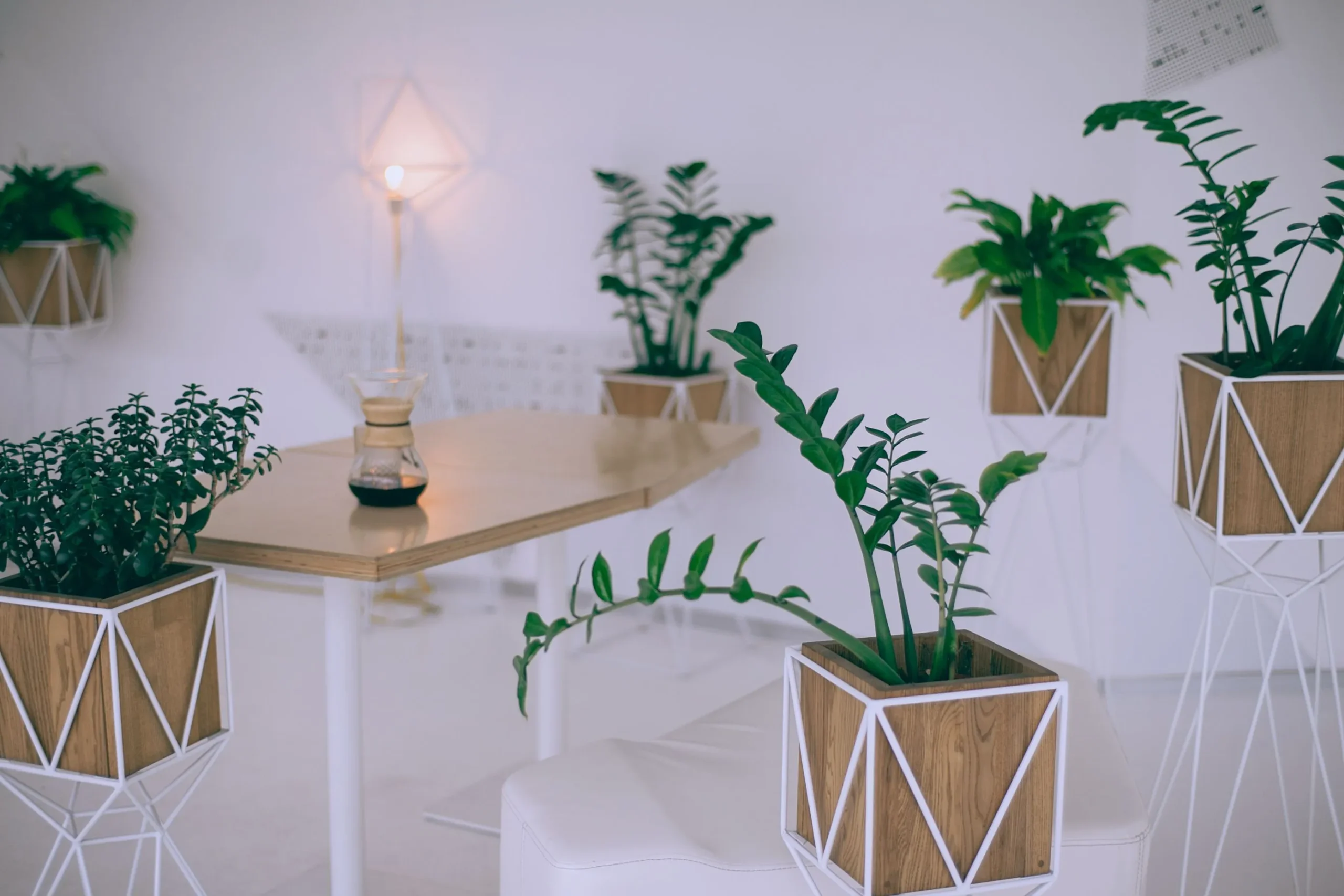
Pot en bois — chaleur et naturel pour un intérieur apaisant
| Critère | Évaluation |
|---|---|
| Esthétique | 9/10 — Très chaleureux |
| Résistance eau | 3/10 — Sensible |
| Poids | 8/10 — Léger à modéré |
| Prix | 6/10 — Variable |
✅ Points forts
Style naturel et chaleureux, léger, unique.⚠️ Points faibles
Craint l'eau, nécessite un entretien annuel.Notre verdict
Pour les intérieurs secs et les amoureux du bois. Entretien à prévoir.
Voir sur Etsy * Maisons du Monde *Quelle taille de pot ?
La plupart des gens achètent un pot trop grand. Diamètre du cache‑pot = diamètre du pot de culture + 2 à 4 cm.
| Diamètre | Usage | Exemples |
|---|---|---|
| 8–12 cm | Mini plantes | Succulentes, cactus, petits pothos |
| 14–18 cm ★ | Plantes moyennes | Pothos mature, sansevieria, aloe vera |
| 20–27 cm | Grandes plantes | Monstera, ficus elastica |
| 30+ cm | Très grandes | Ficus 1 m+, dracaena |
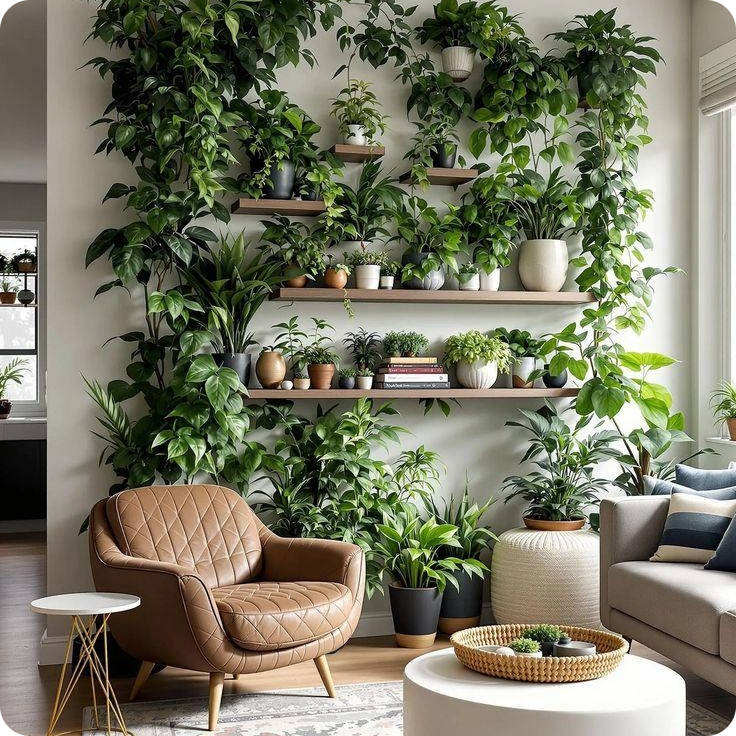
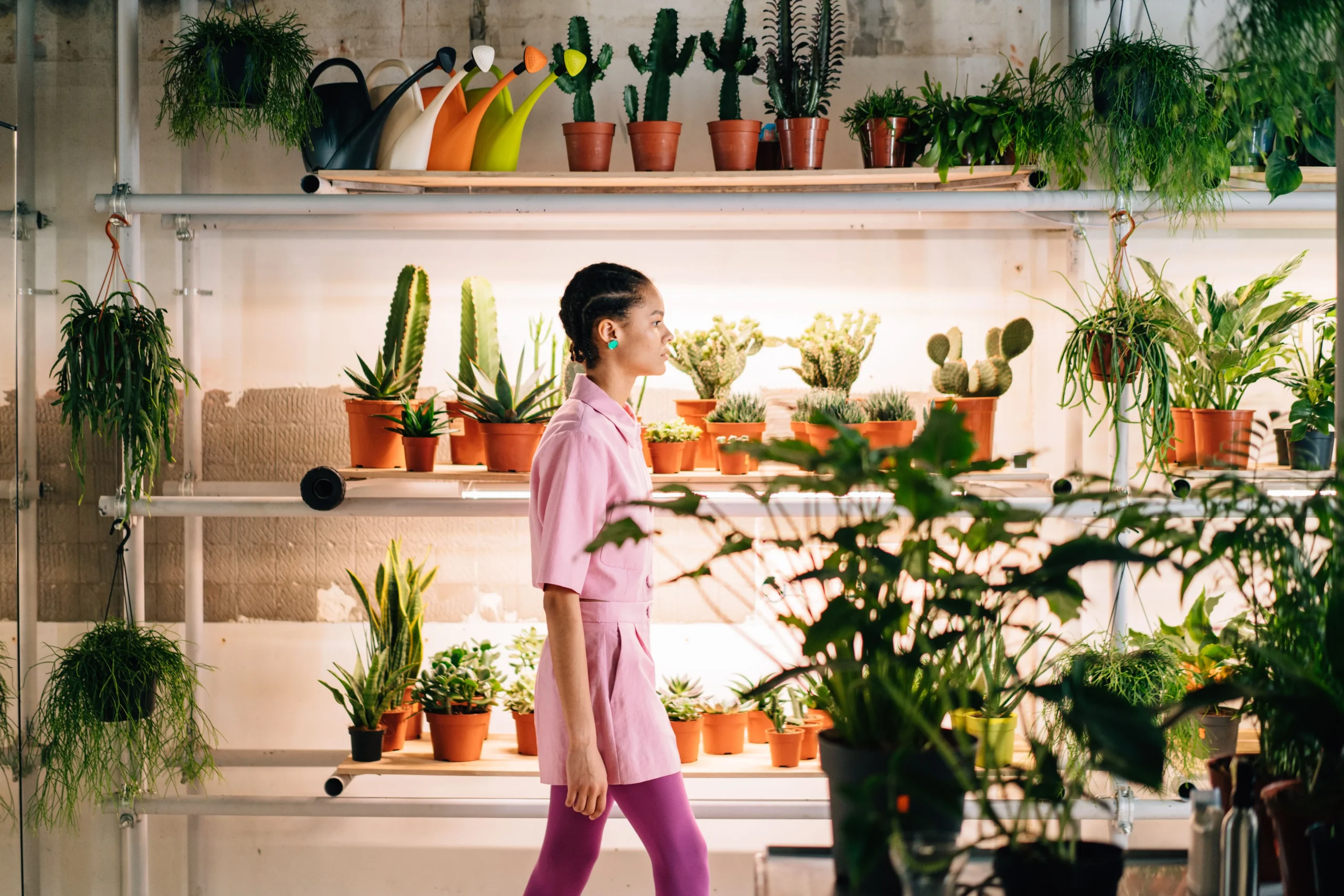
Exemple d'intégration de pots décoratifs dans un salon contemporain
Quel pot pour quel intérieur ?
les accessoires qui changent tout
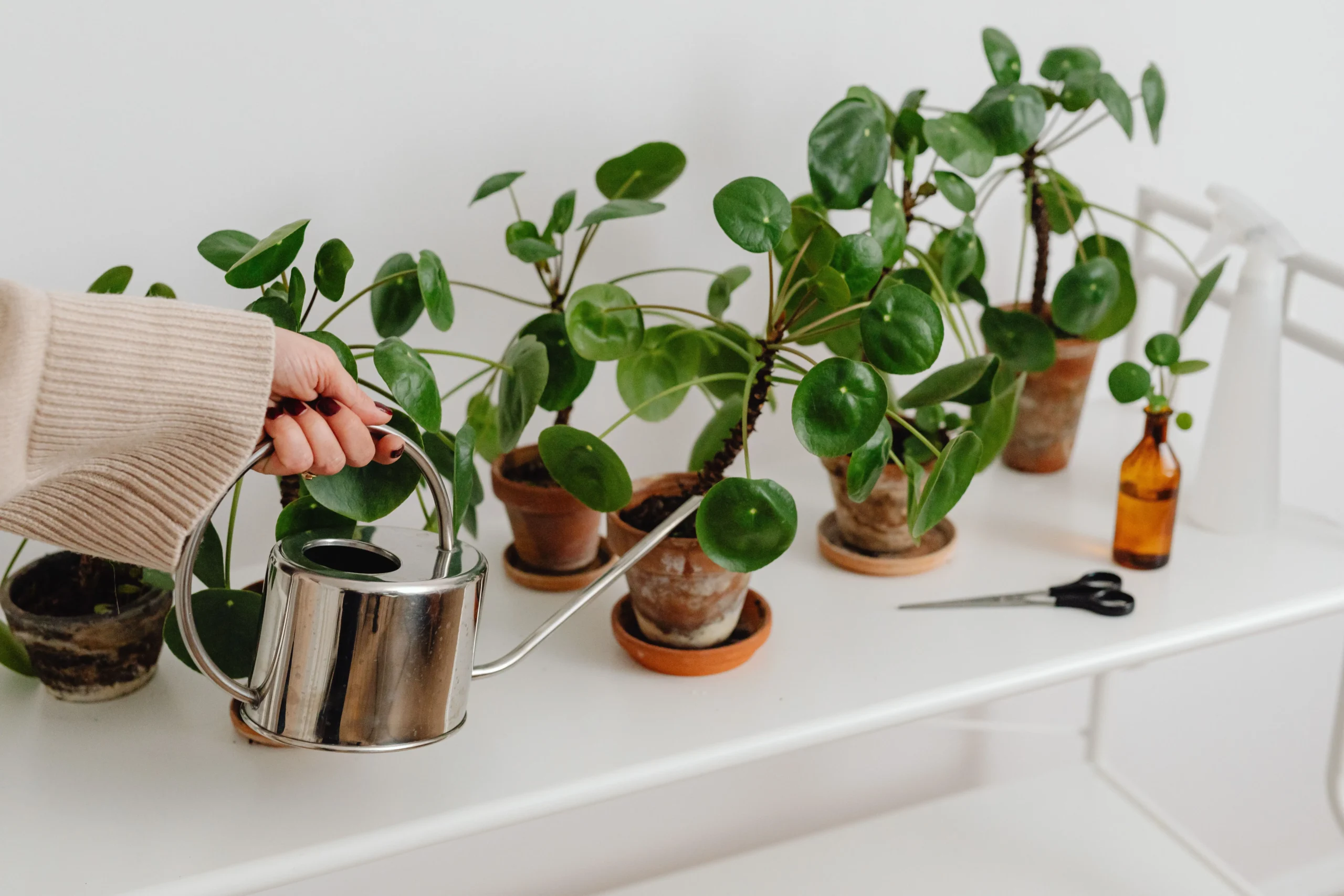
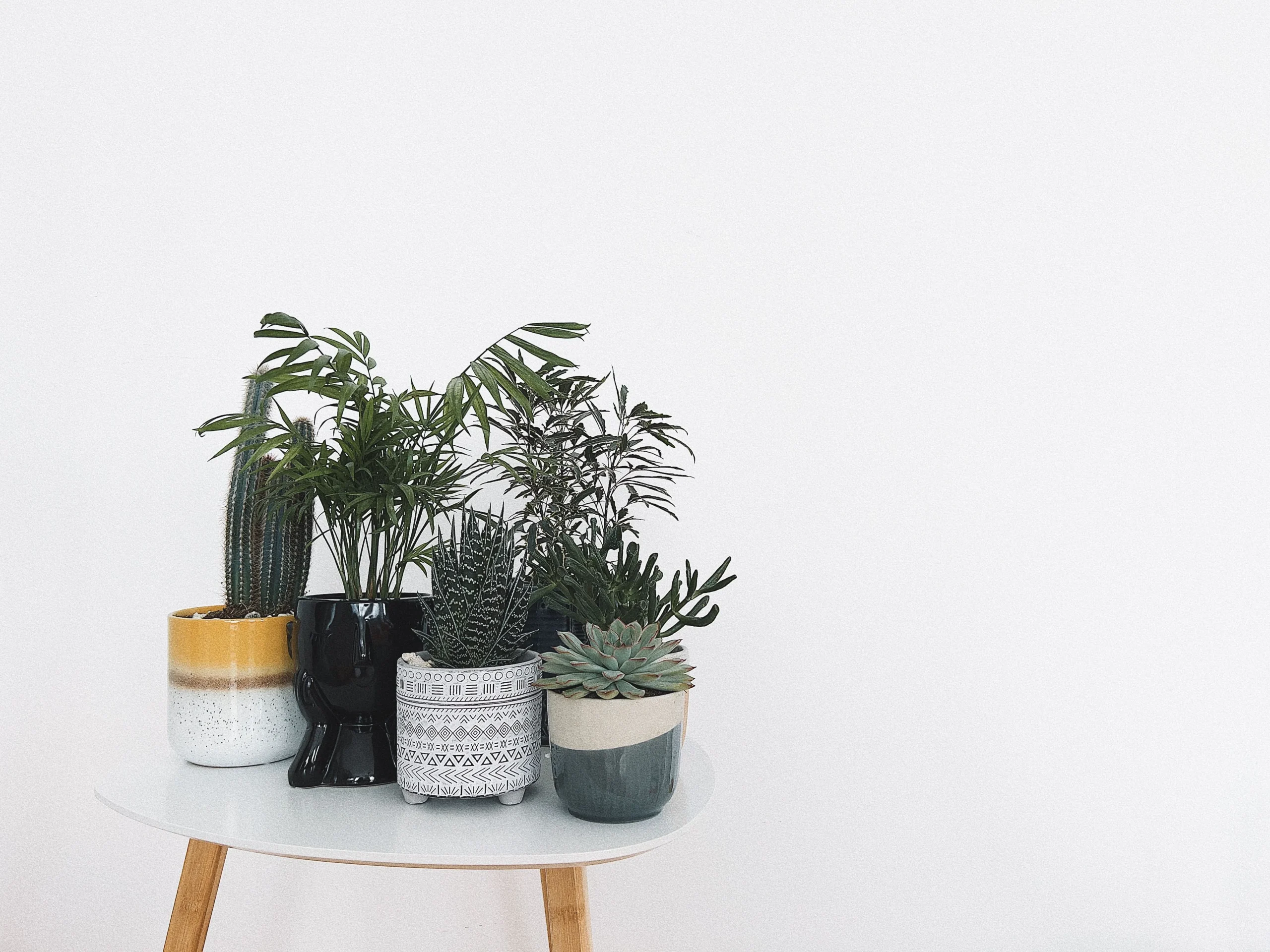
Les accessoires indispensables pour mettre en valeur vos plantes d'intérieur
Entretenir ses pots
| Matière | Nettoyage | Fréquence |
|---|---|---|
| Céramique/Grès | Eau tiède + vinaigre blanc dilué | 1×/mois |
| Jute/Osier | Brosse douce à sec | 1×/2 mois |
| Béton | Chiffon humide + savon de Marseille | 1×/2 mois |
| Terre cuite | Brosse à dents sèche ou vinaigre blanc | 1×/saison |
| Bois | Chiffon humide + huile de teck 1×/an | Trimestriel |
| Plastique recyclé | Eau savonneuse | 1×/mois |
⚠️ Les 7 erreurs à éviter
Questions fréquentes
Récapitulatif
Explorer Maisons du Monde * Voir Westwing * Plantes chez Bakker *
* Liens affiliés — politique de transparence complète disponible. Prix vérifiés mai 2026.
How to choose a pot for indoor plants : sizes, materials, styles
For a long time I thought picking a planter for my houseplants was the last thing to worry about. Then I upgraded the pots in my living room. Same plants, entirely new vibe. A pothos in a stylish indoor planter feels bohemian and cozy. The exact same plant in a clear plastic supermarket pot? Invisible. This guide gives you everything you need to choose the right planter — material, size, style — plus the plant decor accessories that truly elevate an interior.

A modern decorative pot to enhance your indoor plant
The 6 criteria to avoid planter mistakes
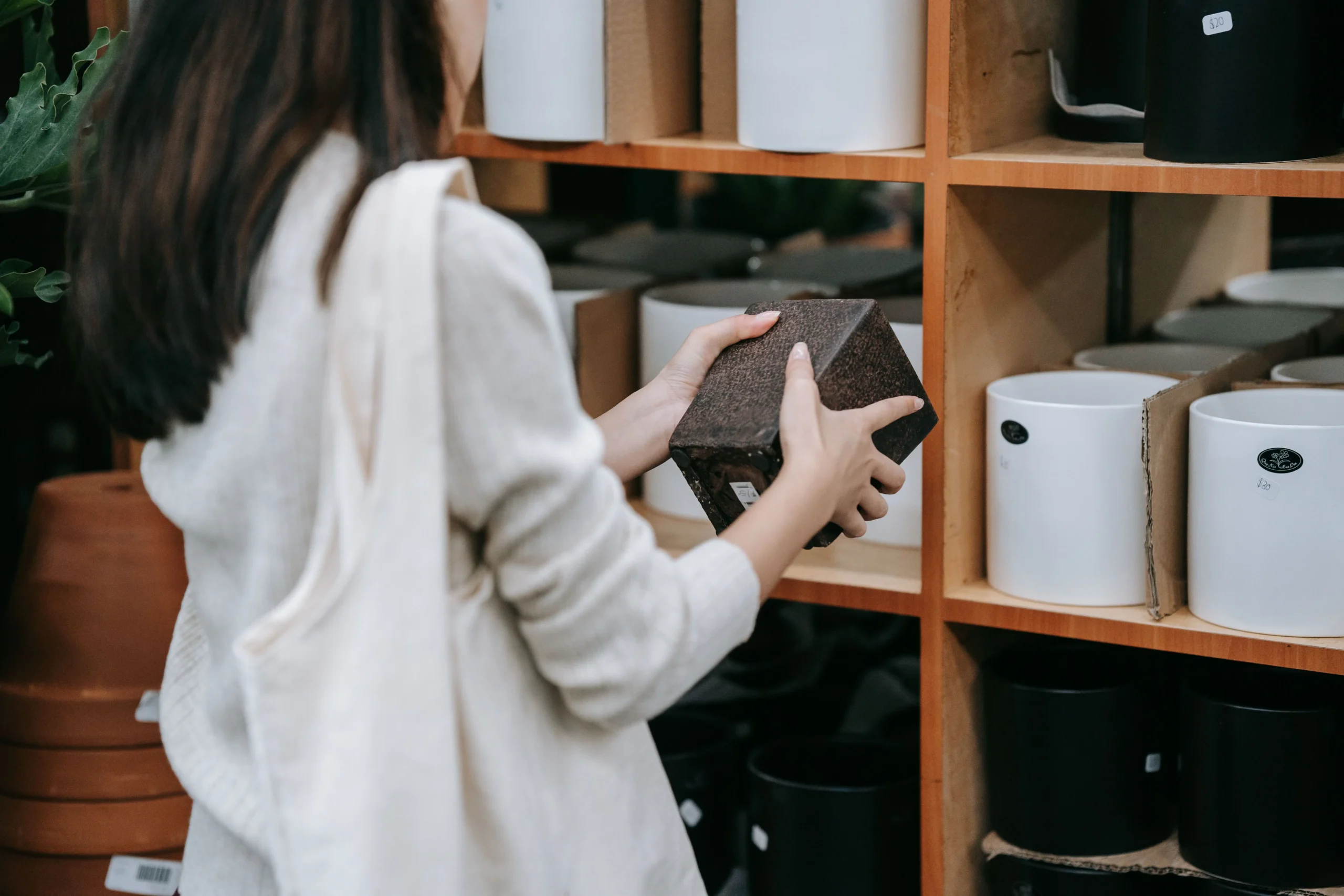
Main planter materials for indoor plants
The 6 planter materials
Glazed ceramic and stoneware are the most elegant materials for a stylish indoor planter. They naturally regulate moisture and bring real decorative presence. A textured stoneware pot instantly turns a simple monstera into the focal point of your living room.
Downsides: heavy (a large one can exceed 35 lb) and fragile. Choose matte finishes for a contemporary look, or glossy for a more classic style.
Textured stoneware pot — the reference for an elegant interior
| Criterion | Rating |
|---|---|
| Aesthetics | 10/10 — Premium |
| Moisture regulation | 9/10 — Excellent |
| Weight | 5/10 — Very heavy |
| Durability | 6/10 — Fragile |
| Price | 7/10 — Variable |
✅ Pros
Unmatched aesthetics, natural moisture regulation, wide choice of shapes and colors.⚠️ Cons
Heavy, fragile, can be pricey for artisanal pieces.Our verdict
The queen of living room planters. Invest in 2-3 beautiful stoneware pots for your star plants.
Shop at The Sill * West Elm *Jute and wicker bring an instant natural, boho vibe. Perfect for hanging planters or to cover an ugly nursery pot. Their light weight lets you hang them anywhere.
However, they hate water: avoid bathrooms and damp areas. A simple dry brushing keeps them clean.
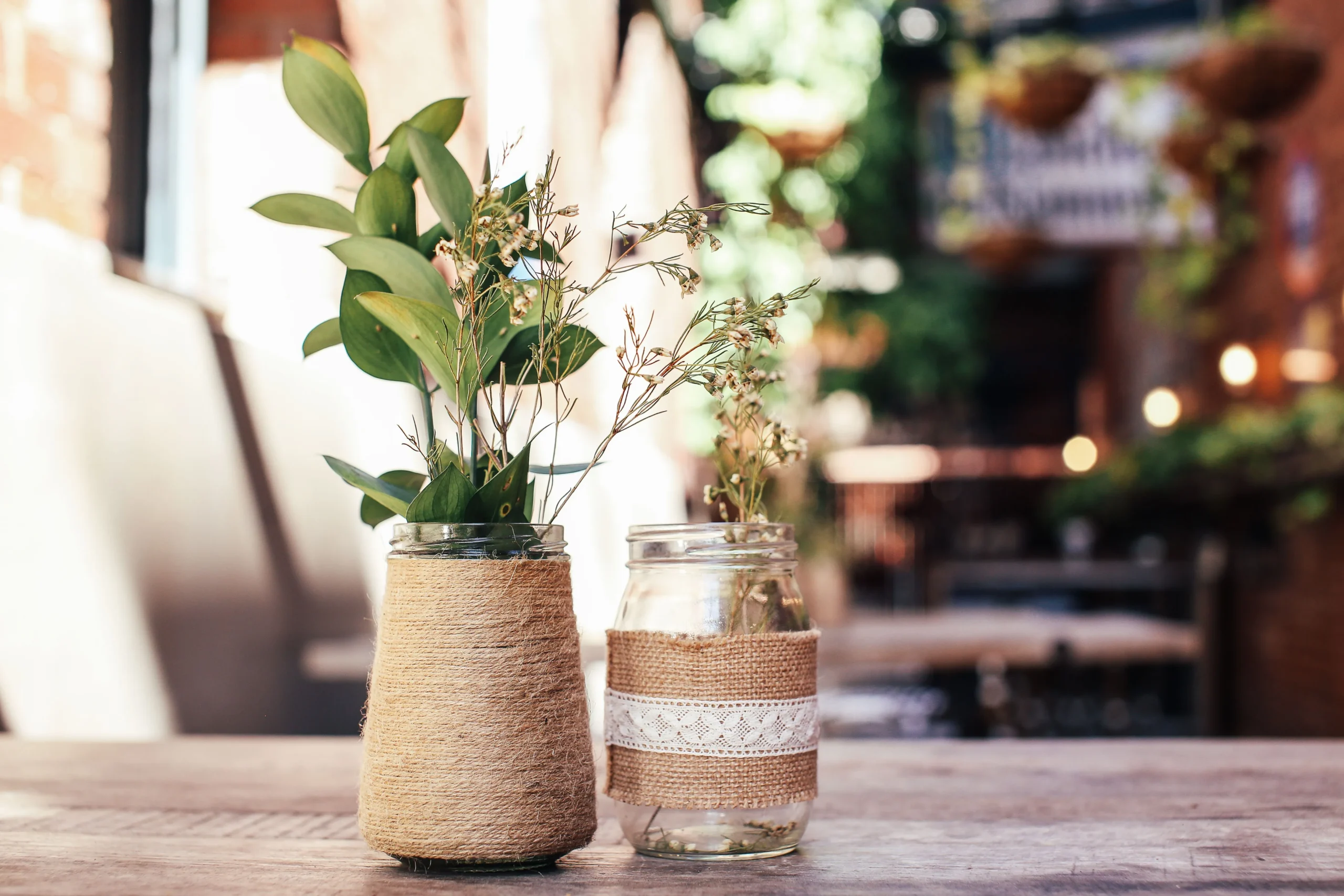
Woven jute cachepot — boho charm at a low price
| Criterion | Rating |
|---|---|
| Style | 9/10 — Natural boho |
| Weight | 10/10 — Ultra light |
| Water resistance | 2/10 — Avoid moisture |
| Price | 9/10 — Very affordable |
✅ Pros
Instant natural style, super light, great for hanging, budget-friendly.⚠️ Cons
Not water-resistant, can mold in damp environments.Our verdict
The go-to boho choice. Keep it in dry rooms and use it for hanging displays.
Find on Etsy * Terrain *Concrete delivers a strong industrial statement. It's virtually indestructible and ages beautifully. Ideal for large fiddle-leaf figs or monstera in a loft or contemporary home.
Mind the weight: a 12-inch concrete pot filled with soil can weigh over 35 lb. Always check your floor or shelf capacity.
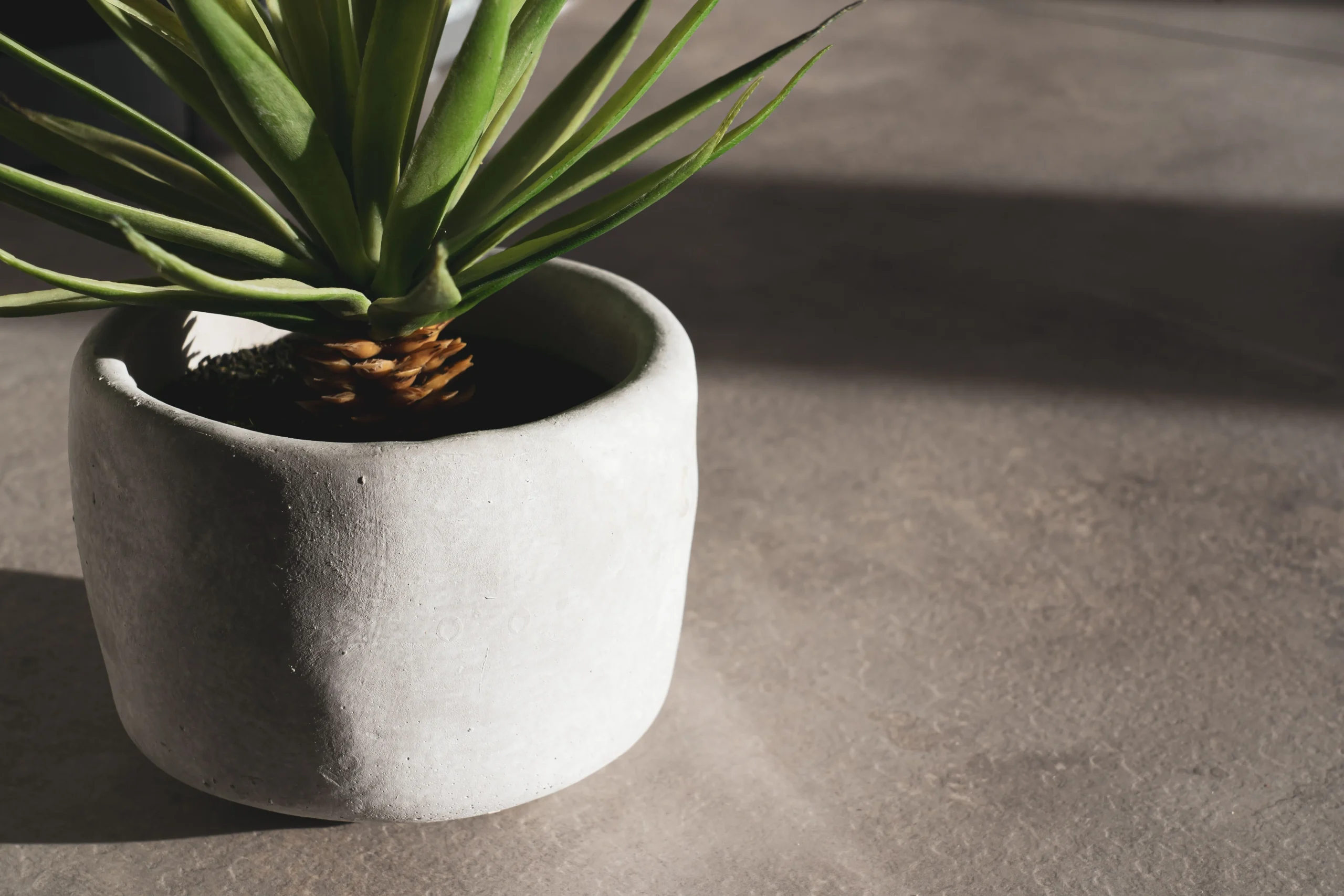
Raw concrete pot — the ally of industrial interiors
| Criterion | Rating |
|---|---|
| Style | 8/10 — Industrial |
| Weight | 3/10 — Extremely heavy |
| Durability | 10/10 — Indestructible |
| Price | 7/10 — Fair |
✅ Pros
Unique industrial look, extremely durable, timeless.⚠️ Cons
Extreme weight, can stain, variable pricing.Our verdict
Perfect for a bold industrial style. Double-check the weight before buying.
Shop at Terrain * West Elm *Terracotta is the budget-friendly, root-healthy choice. It breathes, wicks away excess moisture, and is perfect for cacti and succulents.
It can crack in freezing temperatures and develops white mineral deposits over time. Keep it indoors away from frost.
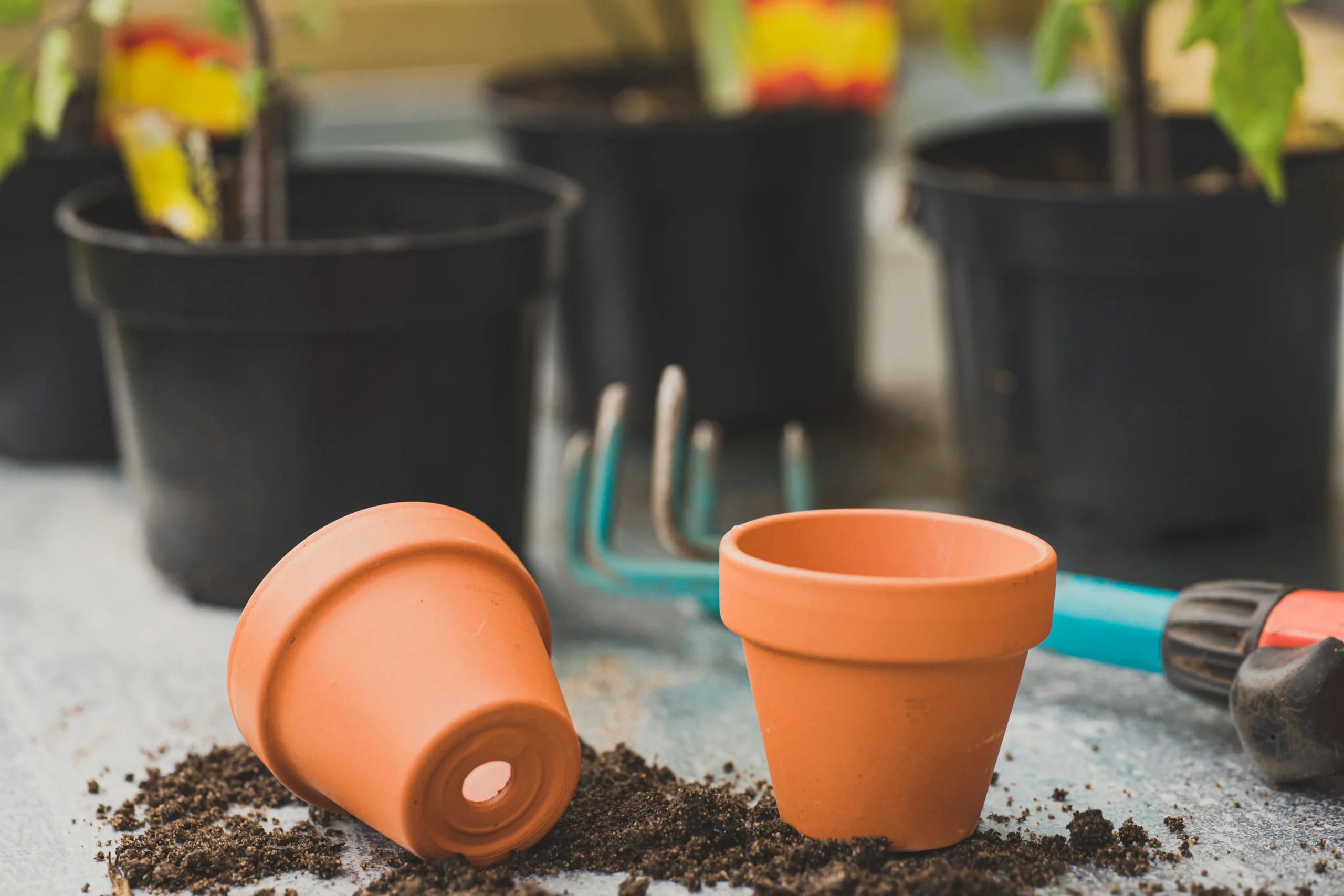
Terracotta pot — the timeless classic from garden centers
| Criterion | Rating |
|---|---|
| Root health | 9/10 — Excellent |
| Price | 10/10 — Unbeatable |
| Aesthetics | 6/10 — Basic |
| Frost resistance | 2/10 — Fragile |
✅ Pros
Breathable, cheap, excellent for cacti and succulents.⚠️ Cons
Cracks in frost, white deposits, simple look.Recycled plastic is cheap and light. It's perfect as a hidden nursery pot slipped inside a beautiful cachepot. Avoid leaving it visible — it looks basic.
It tends to hold moisture, which can benefit tropical plants but risks root rot for succulents.
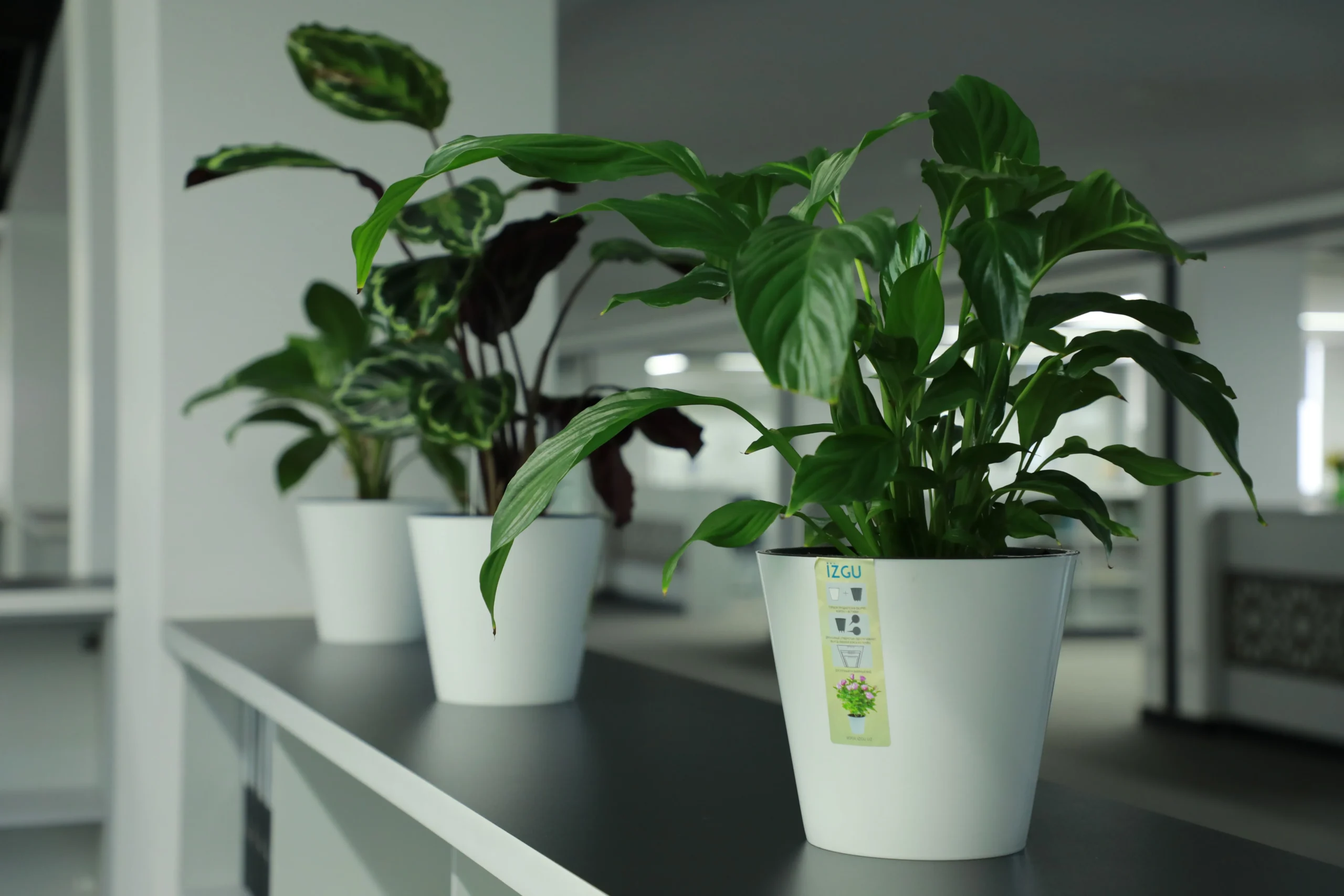
Recycled plastic pot — ideal as an inner nursery pot
| Criterion | Rating |
|---|---|
| Price | 10/10 — Very cheap |
| Weight | 10/10 — Ultra light |
| Aesthetics | 3/10 — Basic |
| Durability | 6/10 — Decent |
✅ Pros
Dirt cheap, lightweight, easy to clean.⚠️ Cons
Low aesthetics, retains moisture, can degrade in sunlight.Our verdict
A solid choice for inner nursery pots. Hide them inside a decorative planter.
Find on Amazon *Wood brings unmatched natural warmth. Perfect for Scandinavian or Japandi interiors. Choose water-resistant species like teak or bamboo.
Apply protective oil once a year to prevent water stains. Keep it in dry indoor spaces.
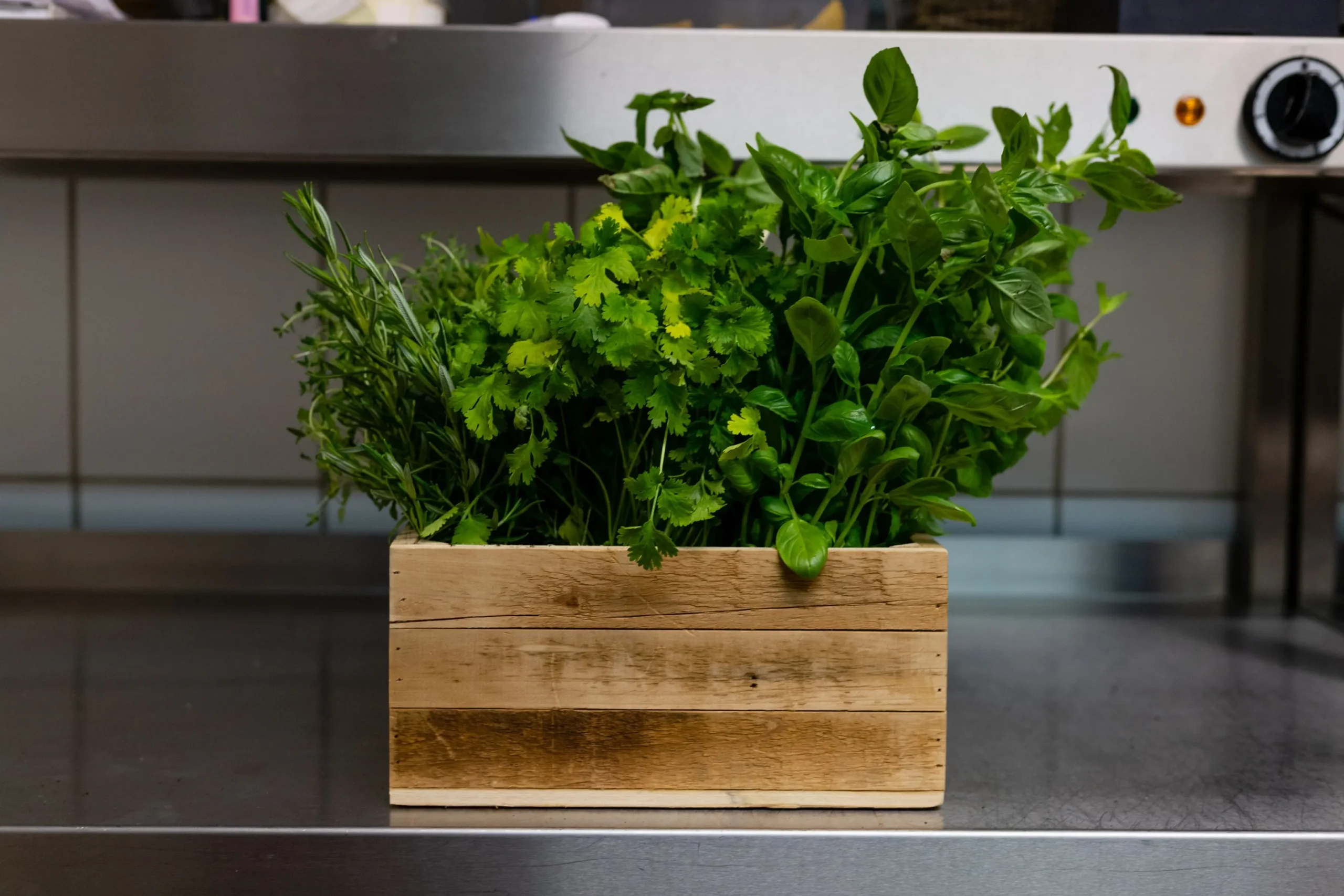
Wood planter — warmth and nature for a calming interior
| Criterion | Rating |
|---|---|
| Aesthetics | 9/10 — Very warm |
| Water resistance | 3/10 — Sensitive |
| Weight | 8/10 — Light to moderate |
| Price | 6/10 — Variable |
✅ Pros
Warm, natural style, lightweight, unique.⚠️ Cons
Sensitive to water, needs yearly maintenance.What pot size should you buy?
Most people buy pots that are way too big. Cachepot diameter = nursery pot diameter + 1 inch (2‑4 cm).
| Diameter | Use | Examples |
|---|---|---|
| 4–5 inches | Mini plants | Succulents, cacti, small pothos |
| 6–7 inches ★ | Medium plants | Mature pothos, snake plant, aloe vera |
| 8–11 inches | Large plants | Monstera, rubber plant |
| 12+ inches | Very large | 3ft+ ficus, dracaena |
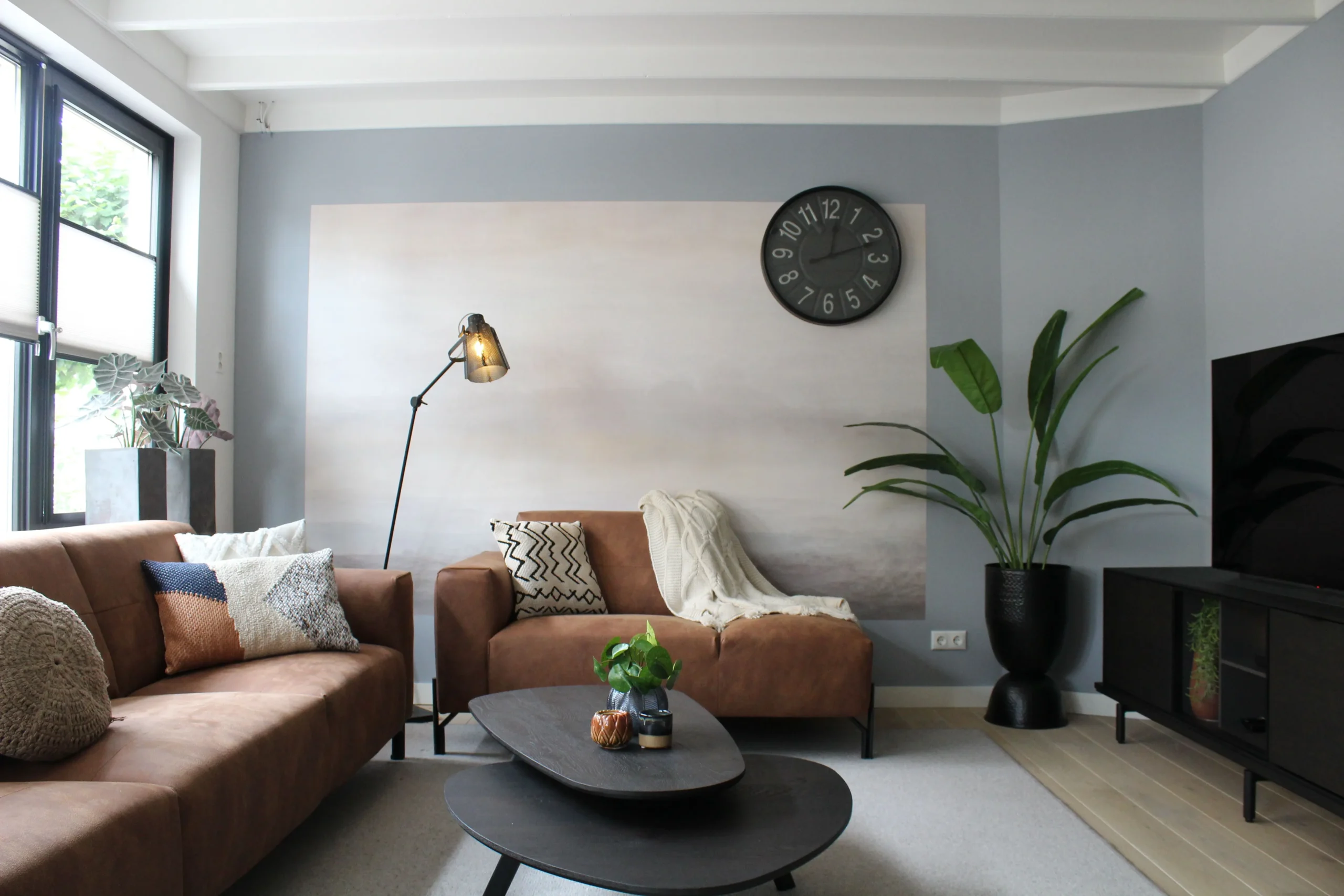
Stylish planters integrated into a contemporary living room
Which planter style for your interior?
Accessories that make all the difference
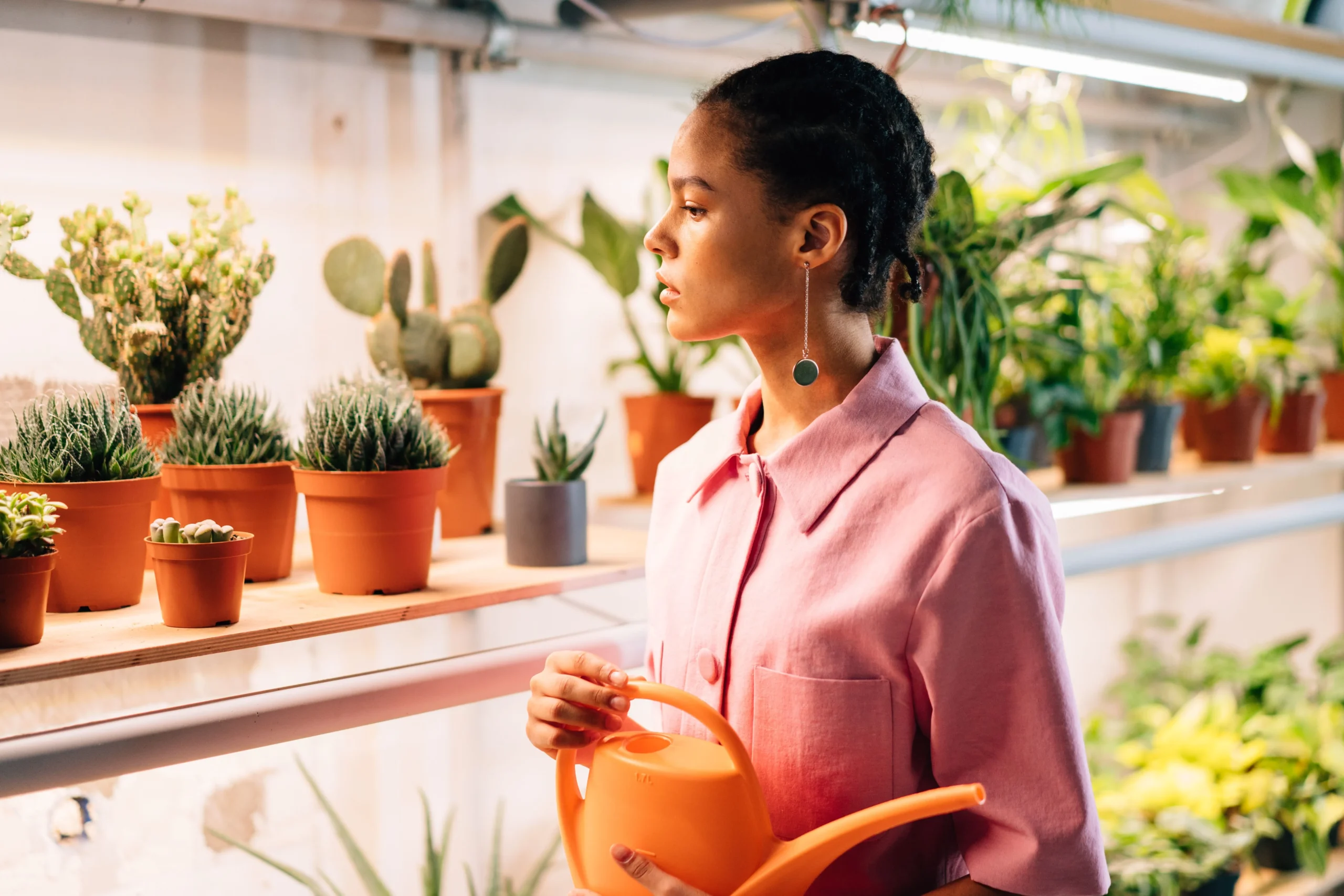
The essential accessories to showcase your indoor plants
Planter maintenance
| Material | Cleaning | Frequency |
|---|---|---|
| Ceramic/Stoneware | Warm water + diluted white vinegar | 1×/month |
| Jute/Wicker | Soft dry brush | 1×/2 months |
| Concrete | Damp cloth + Marseille soap | 1×/2 months |
| Terracotta | Toothbrush or white vinegar soak | 1×/season |
| Wood | Damp cloth + teak oil 1×/year | Quarterly |
| Recycled Plastic | Soapy water | 1×/month |
⚠️ The 7 deadliest planter mistakes
FAQ
📋 Key takeaways
Shop Planters at The Sill * Shop at West Elm * Plants at The Sill *
* Affiliate links – full transparency policy available. Prices verified May 2026.